Psilocybin for Depression: Research and Benefits
Psilocybin, the active compound in magic mushrooms, has emerged as one of the most promising treatments for depression in decades. Clinical trials have shown that psilocybin-assisted therapy can produce significant and lasting reductions in depression symptoms.
In this guide, we will explore the research on psilocybin for depression, how it works, and what you need to know.
What Is Psilocybin?
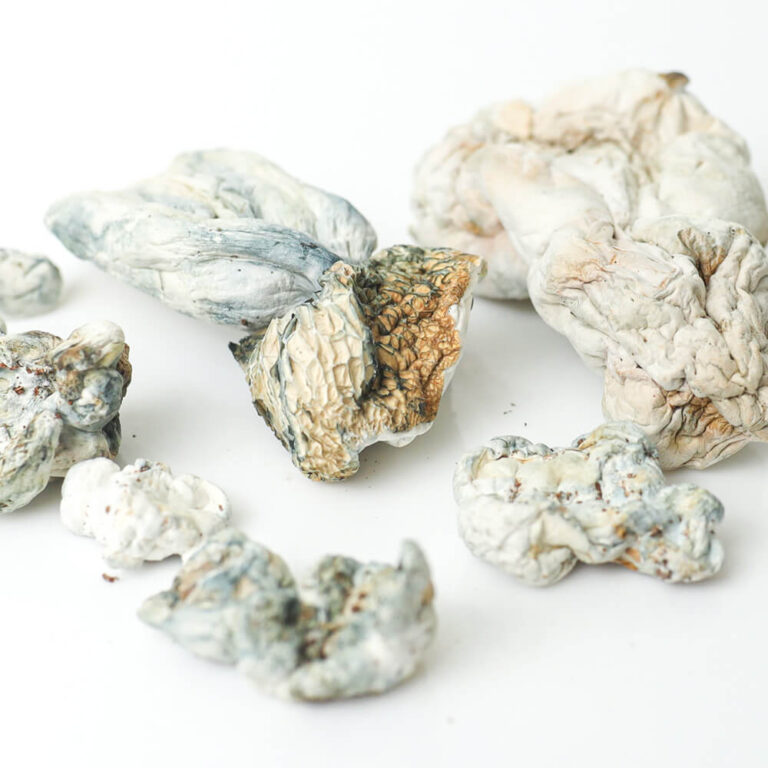
Psilocybin is a naturally occurring psychedelic compound found in over 200 species of magic mushrooms. When ingested, it is converted to psilocin, which acts on serotonin receptors in the brain.
Read our guide on what is psilocybin for more information.
How Psilocybin Helps with Depression
Psilocybin may help with depression through several mechanisms:
1. Neuroplasticity
Psilocybin promotes neuroplasticity—the brain’s ability to form new neural connections. This may help “rewire” the brain and break negative thought patterns.
2. Default Mode Network (DMN) Regulation
Psilocybin reduces activity in the DMN, which is overactive in depression and linked to rumination and self-critical thoughts.
3. Emotional Processing
Psilocybin enhances emotional processing, helping individuals confront and process difficult emotions in a safe way.
4. Increased Openness
Psilocybin has been shown to increase openness, which may help individuals adopt new perspectives and coping strategies.
Clinical Research on Psilocybin for Depression
Johns Hopkins University
Studies at Johns Hopkins have shown that psilocybin-assisted therapy can produce significant and lasting reductions in depression symptoms, with effects lasting for months after a single session.
Imperial College London
Research at Imperial College has found that psilocybin can “reset” brain networks associated with depression, leading to sustained improvements in mood.
Yale University
Studies at Yale have shown that psilocybin promotes neuroplasticity in the brain, supporting its potential as a treatment for depression.
Psilocybin vs. Traditional Antidepressants
Traditional antidepressants (SSRIs) work by increasing serotonin levels in the brain. Psilocybin works differently—it acts on serotonin receptors and promotes neuroplasticity. Unlike SSRIs, which can take weeks to work, psilocybin may produce rapid effects.
Read our guide on can you take shrooms with antidepressants for more information.
What Does Psilocybin-Assisted Therapy Involve?
Psilocybin-assisted therapy typically involves:
- Preparation: Several sessions with a therapist to prepare for the experience.
- Dosing: A moderate to high dose of psilocybin administered in a comfortable, supportive setting.
- Integration: Follow-up sessions to help integrate the experience.
Is Psilocybin Legal for Depression?
Psilocybin is legal for therapeutic use in Oregon and Colorado, and decriminalized in several cities across the US. However, it remains illegal at the federal level.
Read our guide on is psilocybin legal for more information.
Conclusion
Psilocybin is one of the most promising treatments for depression in decades. Clinical trials have shown that psilocybin-assisted therapy can produce significant and lasting reductions in depression symptoms. If you are interested in exploring psilocybin for depression, consult a healthcare professional.
If you are looking for high-quality magic mushrooms, visit our shop.
For more information, check out our FAQ page.