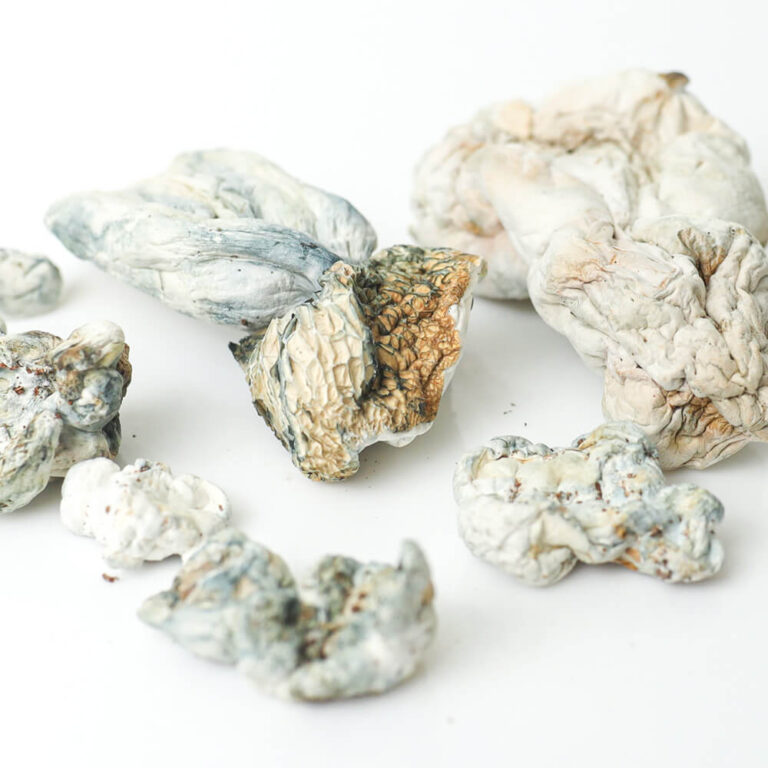
Magic Mushrooms and Neuroplasticity: Rewiring the Brain
One of the most exciting areas of research on magic mushrooms is their effect on neuroplasticity. Psilocybin, the active compound in magic mushrooms, has been shown to promote the growth of new neural connections, offering new hope for treating mental health conditions.
In this guide, we will explore the relationship between magic mushrooms and neuroplasticity, how it works, and what it means for mental health.
What Is Neuroplasticity?
Neuroplasticity is the brain’s ability to reorganize itself by forming new neural connections throughout life. It allows the brain to adapt to new experiences, learn new information, and recover from injury.
Neuroplasticity is essential for:
- Learning and memory.
- Recovery from brain injury.
- Adapting to new experiences.
- Mental health and well-being.
How Do Magic Mushrooms Promote Neuroplasticity?
Psilocybin promotes neuroplasticity through several mechanisms:
1. BDNF (Brain-Derived Neurotrophic Factor)
Psilocybin increases the production of BDNF, a protein that supports the growth and survival of neurons. Higher BDNF levels are associated with improved cognitive function and mental health.
2. New Neural Connections
Psilocybin promotes the growth of new dendrites and synapses, creating new pathways between brain regions.
3. Default Mode Network (DMN) Reduction
Psilocybin reduces activity in the DMN, which is overactive in depression and anxiety. This reduction allows for new patterns of thinking and behavior.
What Does This Mean for Mental Health?
Psilocybin’s ability to promote neuroplasticity is thought to be responsible for its therapeutic effects. By “rewiring” the brain, psilocybin can help individuals:
- Break free from negative thought patterns.
- Develop new coping strategies.
- Process difficult emotions.
- Adopt healthier perspectives.
Read our guide on psilocybin for depression for more information.
Research on Psilocybin and Neuroplasticity
Several studies have explored the relationship between psilocybin and neuroplasticity:
- Yale University: Studies have shown that psilocybin promotes the growth of new dendrites and synapses.
- Imperial College London: Research has shown that psilocybin can “reset” brain networks associated with depression.
- Johns Hopkins University: Studies have found that psilocybin can increase openness and promote lasting changes in personality.
Can Magic Mushrooms Help with Brain Injuries?
Preliminary research suggests that psilocybin may help with brain injuries by promoting neuroplasticity. However, more research is needed.
Conclusion
Magic mushrooms have the potential to promote neuroplasticity, “rewiring” the brain and offering new hope for treating mental health conditions. By increasing BDNF, promoting new neural connections, and reducing DMN activity, psilocybin may help individuals break free from negative thought patterns and adopt healthier perspectives.
If you are looking for high-quality magic mushrooms, visit our shop.
For more information, check out our FAQ page.