Psilocybin Clinical Trials: What’s Happening Now?
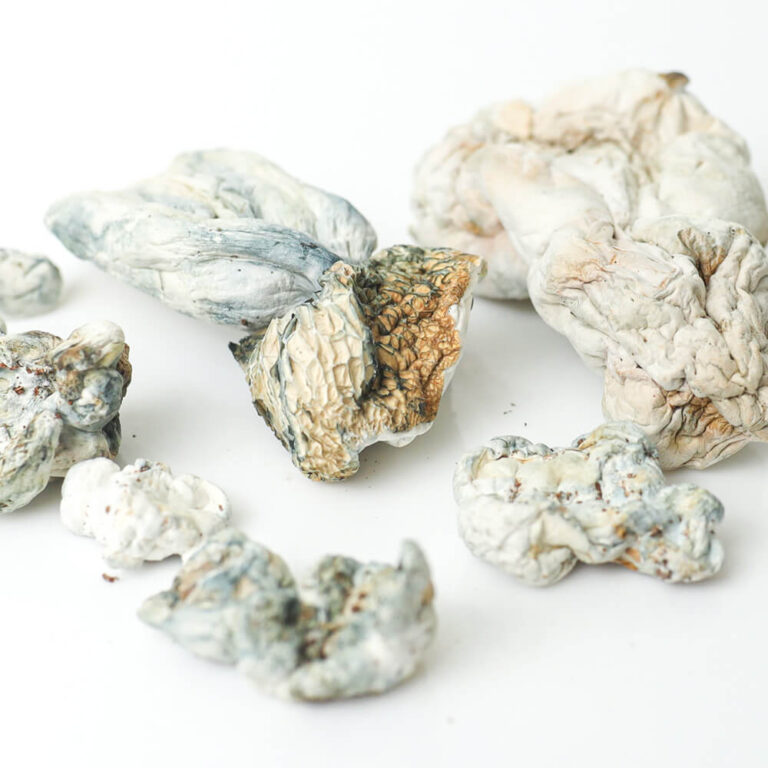
Psilocybin, the active compound in magic mushrooms, is currently the subject of numerous clinical trials worldwide. These trials are exploring its potential to treat a wide range of mental health conditions, from depression to addiction.
In this guide, we will provide an overview of the most significant psilocybin clinical trials currently underway and what they mean for the future of mental health treatment.
Major Psilocybin Clinical Trials
1. Johns Hopkins University
Johns Hopkins is one of the leading institutions researching psilocybin. Their current trials include:
- Psilocybin for Treatment-Resistant Depression: Studying the effects of psilocybin on patients who have not responded to traditional antidepressants.
- Psilocybin for Anxiety and Depression in Cancer Patients: Exploring the use of psilocybin to reduce anxiety and depression in patients with terminal illnesses.
- Psilocybin for Alcohol Use Disorder: Investigating psilocybin-assisted therapy for alcohol addiction.
Read our guide on psilocybin for depression for more information.
2. Imperial College London
Imperial College is a global leader in psychedelic research. Their current trials include:
- Psilocybin for Treatment-Resistant Depression: One of the largest studies on psilocybin for depression.
- Psilocybin for Anorexia Nervosa: Exploring psilocybin as a treatment for eating disorders.
- Psilocybin for OCD: Investigating the potential of psilocybin for obsessive-compulsive disorder.
3. NYU Langone Health
NYU is conducting several psilocybin trials, including:
- Psilocybin for Cancer-Related Distress: Studying psilocybin for anxiety and depression in cancer patients.
- Psilocybin for PTSD: Exploring psilocybin-assisted therapy for post-traumatic stress disorder.
Read our guide on psilocybin for PTSD for more information.
4. MAPS (Multidisciplinary Association for Psychedelic Studies)
MAPS is conducting psilocybin trials for:
- PTSD: Psilocybin-assisted therapy for veterans and first responders.
- Depression: Psilocybin for treatment-resistant depression.
5. University of Zurich
Researchers in Switzerland are studying psilocybin for:
- Treatment-Resistant Depression: Exploring psilocybin as an alternative to traditional antidepressants.
- Cluster Headaches: Investigating psilocybin for cluster headache relief.
Read our guide on psilocybin for cluster headaches for more information.
What the Research Is Showing
Preliminary results from these trials are promising. Key findings include:
- Significant and lasting reductions in depression symptoms.
- Reduced anxiety in patients with terminal illnesses.
- Decreased alcohol and nicotine use in addiction studies.
- Increased quality of life and well-being.
How to Participate in a Psilocybin Clinical Trial
If you are interested in participating in a psilocybin clinical trial, consider the following steps:
- Research ongoing trials in your area.
- Contact the research institution directly.
- Check eligibility criteria.
- Speak with your healthcare provider.
The Future of Psilocybin Research
Psilocybin research is expanding rapidly. Future areas of study include:
- Psilocybin for bipolar disorder.
- Psilocybin for chronic pain.
- Psilocybin for neurodegenerative diseases.
- Long-term effects of psilocybin use.
Conclusion
Psilocybin clinical trials are paving the way for a new era of mental health treatment. The results so far are promising, with psilocybin showing significant potential for treating depression, anxiety, PTSD, and addiction. As research continues, we can expect to see psilocybin become an increasingly important tool in the mental health field.
If you are looking for high-quality magic mushrooms, visit our shop.
For more information, check out our FAQ page.