The Science of Psilocybin: How It Works in the Brain
Psilocybin, the active compound in magic mushrooms, has captivated scientists and researchers for decades. Understanding the science of psilocybin is essential for appreciating its effects and therapeutic potential.
In this guide, we will explore the science behind psilocybin, how it works in the brain, and what it means for mental health.
What Is Psilocybin?
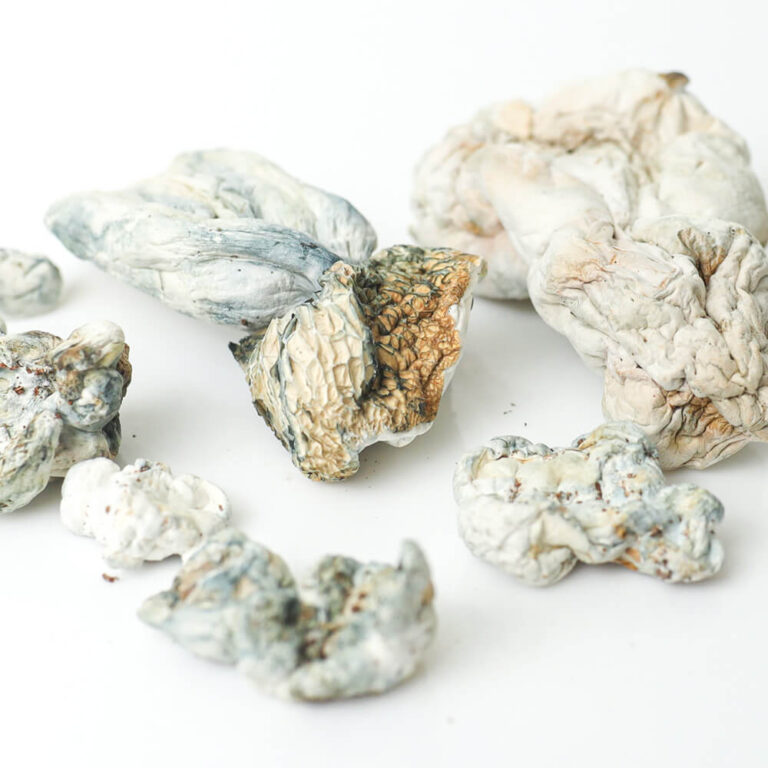
Psilocybin is a naturally occurring psychedelic compound found in over 200 species of magic mushrooms. When ingested, it is converted to psilocin, which acts on serotonin receptors in the brain.
Read our guide on what is psilocybin for more information.
How Psilocybin Works in the Brain
Psilocybin works by mimicking the neurotransmitter serotonin. When psilocybin is ingested, it is converted to psilocin, which binds to serotonin receptors, particularly the 5-HT2A receptor.
This binding leads to:
1. Reduced Activity in the Default Mode Network (DMN)
The DMN is a network of brain regions that is active when we are not focused on the outside world. It is responsible for self-referential thoughts, rumination, and the sense of ego. Psilocybin reduces activity in the DMN, leading to a dissolution of the ego and a sense of unity.
2. Increased Brain Connectivity
Psilocybin increases connectivity between brain regions that normally do not communicate with each other. This creates new neural pathways and allows for novel insights and perspectives.
3. Neuroplasticity
Psilocybin promotes neuroplasticity—the brain’s ability to form new neural connections. This is thought to be responsible for its therapeutic benefits.
4. Emotional Processing
Psilocybin enhances emotional processing, allowing users to confront and process difficult emotions in a safe way.
The Default Mode Network (DMN) Explained
The default mode network (DMN) is a network of brain regions that is active when we are not focused on the outside world. It is responsible for:
- Self-referential thoughts.
- Rumination and worry.
- Sense of self and ego.
- Daydreaming and mind-wandering.
In depression and anxiety, the DMN is often overactive, leading to excessive rumination and self-critical thoughts. Psilocybin reduces activity in the DMN, providing relief from these patterns.
Neuroplasticity and Psilocybin
Neuroplasticity is the brain’s ability to form new neural connections. Psilocybin promotes neuroplasticity by:
- Increasing the growth of new neurons.
- Strengthening existing neural connections.
- Creating new pathways between brain regions.
This is why psilocybin is being studied for conditions like depression, anxiety, and PTSD.
Psilocybin and Mental Health
Research has shown that psilocybin can be effective for:
- Treatment-resistant depression: Read our guide on psilocybin for depression.
- Anxiety: Read our guide on psilocybin for anxiety.
- PTSD: Read our guide on psilocybin for PTSD.
- Addiction: Read our guide on psilocybin for addiction.
Conclusion
The science of psilocybin reveals a compound that profoundly alters brain function, reducing activity in the default mode network, increasing connectivity, and promoting neuroplasticity. These effects underlie its therapeutic potential for a range of mental health conditions.
If you are looking for high-quality magic mushrooms, visit our shop.
For more information, check out our FAQ page.